
Hypnotherapy for self care and creating good habits

How solution focused hypnotherapy can help you create lasting positive change
By Abbi at myhappimind
Self-care has become a popular topic over recent years, but for many people, real self-care is not bubble baths, expensive skincare routines, or perfectly organised morning habits. Often, true self-care is much smaller and much more meaningful.
Sometimes self-care is brushing your teeth before bed when you feel exhausted. Sometimes it is drinking a glass of water instead of another coffee. Sometimes it is learning to rest without guilt, saying no to overwhelm, or finally asking for help.
As a Solution Focused Hypnotherapist working across Bristol, Somerset, Backwell, and online, I work with many people who want to feel healthier, calmer, more motivated, and more in control of their lives, but who feel stuck in cycles of stress, burnout, anxiety, poor sleep, or unhealthy habits.
The good news is that lasting change does not usually begin with huge dramatic transformations. It begins with small, manageable steps and a brain that feels safe enough to create change.
That is where Solution Focused Hypnotherapy can help.
What is self-care really?
When people hear the phrase “self-care”, they often imagine wellness influencers, complicated routines, or unrealistic expectations. In reality, self-care is about supporting your mental, emotional, and physical wellbeing in ways that are realistic for your life.

For some people, self-care may involve:
Improving sleep habits
Moving their body more regularly
Drinking more water
Reducing alcohol or caffeine
Learning to manage anxiety
Setting healthier boundaries
Reducing overwhelm
Creating calmer routines
Rebuilding confidence and motivation.
For others, especially during periods of stress, illness, burnout, parenting, menopause, neurodivergent overwhelm, or chronic fatigue, self-care may start much smaller.
At myhappimind, I often remind clients that small acts of care still matter enormously. Tiny changes repeated consistently can create powerful long-term improvements in wellbeing.
Why creating good habits can feel so difficult
Many people blame themselves for struggling with motivation or consistency, but often the issue is not laziness or lack of willpower.
When the brain is overwhelmed by chronic stress, anxiety, sensory overload, poor sleep, or emotional exhaustion, the primitive “survival” parts of the brain become more dominant. This can make planning, motivation, emotional regulation, and decision-making much harder.
Psychiatrist and neuroscientist Dr Daniel Siegel famously described this as “flipping your lid”, where the logical thinking brain becomes less accessible during stress.
This is one reason people often struggle to maintain healthy routines when overwhelmed.
You may desperately want to:
Exercise regularly
Sleep better
Eat nourishing food
Stop procrastinating
Reduce alcohol intake
Create healthier routines
…but your nervous system may simply feel too overloaded to support consistent change.
This is why reducing stress levels is often the first step in creating sustainable habits.
How stress impacts motivation and habits
In Solution Focused Hypnotherapy sessions, we often talk about the “stress bucket”.
When stress builds over time, the brain and body can become overwhelmed. Stress hormones such as cortisol and adrenaline remain elevated, sleep quality often reduces, emotional resilience decreases, and people can begin to feel stuck, reactive, anxious, low, or emotionally drained.
Research from experts such as Dr Bruce Lipton and Dr Gabor Maté has explored the powerful connection between stress, emotional wellbeing, and physical health.
In my own experience as both a hypnotherapist and Registered Nurse, I often see how prolonged stress affects people’s energy, confidence, motivation, and ability to care for themselves.
This is why hypnotherapy for self-care and habit change is not simply about “trying harder”. It is about calming the nervous system enough for positive change to feel possible again.
If you struggle with chronic stress or anxiety, you may find my page on hypnotherapy for stress & anxiety helpful.
What is Solution Focused Hypnotherapy?
Solution Focused Hypnotherapy is a modern therapeutic approach that combines:
Solution Focused Brief Therapy (SFBT)
Hypnosis and deep relaxation
Neuro-Linguistic Programming (NLP)
Cognitive Behavioural Therapy (CBT) principles
Neuroscience-informed strategies
Rather than analysing problems endlessly, Solution Focused Hypnotherapy focuses on where you want to get to and the practical steps that can help you move forward.
As explained on my about me page, I use practical, structured, evidence-informed strategies to help clients create positive change in a compassionate and achievable way.
Importantly, I do not believe clients need “fixing”. I believe people already hold many of the answers within themselves. My role is to help clients feel calmer, more motivated, and more able to access their own strengths and abilities.
How hypnotherapy helps build positive habits
One of the biggest misconceptions about hypnosis is that it involves losing control. In reality, Solution Focused Hypnotherapy is a deeply relaxing state of focused attention.
Many people describe hypnosis as feeling similar to:
Daydreaming
Becoming absorbed in a good book
Feeling deeply relaxed but aware
Drifting between wakefulness and sleep
During trance, the brain becomes calmer and more receptive to positive suggestions and visualisation.
In sessions, we may explore:
What life looks like when things feel better
What small achievable changes are possible
What strengths and resources you already possess
How future habits may positively impact your wellbeing
This process can help healthy routines feel more achievable and natural over time.
You can read more about what happens during a hypnotherapy session on my website.
The science of neuroplasticity and habit change
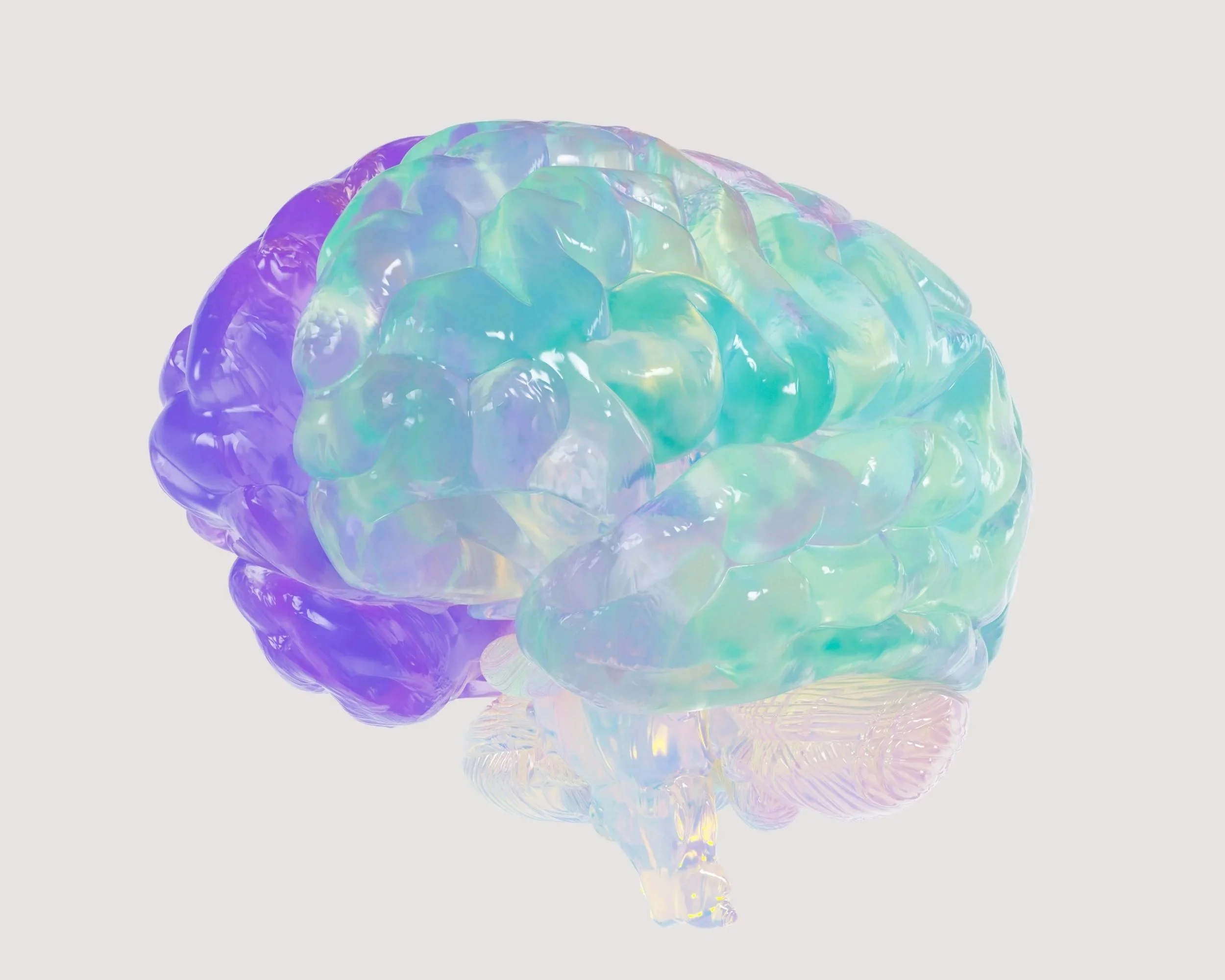
Neuroplasticity refers to the brain’s ability to form and strengthen neural pathways through repetition and experience.
Neuroscientist Dr Norman Doidge popularised the idea that the brain is constantly adapting and reshaping itself throughout life.
This is incredibly hopeful because it means habits, thought patterns, and emotional responses are not fixed forever.
The more we repeat behaviours, the more automatic they become.
This is why tiny changes matter.
Dr B.J. Fogg, author of Tiny Habits, explains that sustainable behaviour change usually begins with very small actions that feel achievable and emotionally rewarding.
This aligns beautifully with Solution Focused Hypnotherapy, where we focus on small realistic steps rather than perfection.
Small steps create sustainable change
One of the most common things I say to clients is:
“Nobody runs a marathon by starting with a marathon.”
When people feel overwhelmed, huge goals can trigger even more stress and avoidance.
Instead, we focus on manageable changes such as:
Drinking one extra glass of water
Going outside for five minutes
Getting into bed earlier
Creating a calming bedtime routine
Eating breakfast regularly
Taking breaks before burnout occurs
Practising deep relaxation
Reducing negative self-talk
Over time, these small actions begin building confidence, momentum, and emotional resilience.
This gentle approach can be especially helpful for people struggling with:
Self-care for parents, carers, and neurodiverse people
Many of my clients are parents, carers, highly sensitive people, or neurodiverse individuals who are already coping with significant mental and emotional demands.
Self-care advice online can sometimes feel unrealistic or even shaming when somebody is already overwhelmed.
As somebody with both professional and personal experience of neurodiversity, burnout, chronic fatigue, and sensory overwhelm, I understand how important it is to work compassionately and realistically.
I support many clients experiencing:
Burnout and sensory overload
Sometimes the most important part of self-care is learning to stop expecting yourself to function like somebody else.
Why I became passionate about stress reduction and recovery
As I share on my about me page, my own experiences with anxiety, burnout, and Chronic Fatigue Syndrome (CFS) played a huge role in leading me towards Solution Focused Hypnotherapy.
Learning how stress impacts the brain and body completely changed how I approached my health and wellbeing.
Solution Focused Hypnotherapy helped me:
Understand how my brain was functioning under stress
Improve my sleep quality
Pace myself more compassionately
Reduce overwhelm
Set realistic goals
Feel calmer and more hopeful again
It also introduced me to the power of hypnosis, deep relaxation, and non-sleep deep rest practices, which I still use regularly today.
This personal experience helps me work empathetically with clients who feel exhausted, overwhelmed, stuck, or emotionally drained.
What conditions can hypnotherapy help with?
At myhappimind, I support clients with a wide range of challenges including:
You can also read feedback from previous clients and success stories here.
Online and in-person hypnotherapy in Bristol and Somerset
I am based in Backwell and work with clients across Bristol, North Somerset, and the surrounding areas.
I also offer online hypnotherapy sessions, which many clients find convenient, effective, and easier to fit around work, parenting, or caring responsibilities.
Online sessions can be just as relaxing and beneficial as in-person appointments.
Frequently asked questions
Does hypnotherapy really help with habits?
Yes. Many people find hypnotherapy helpful for creating healthier habits because it combines relaxation, neuroscience-informed strategies, visualisation, and practical goal-focused conversations. The process can help reduce stress and increase motivation, making change feel more achievable.
How many sessions will I need?
Everybody is different. On average, many clients attend between 6 and 12 sessions depending on their goals and circumstances.
You can find more information on pricing and sessions here.
Can hypnotherapy help with motivation?
Yes. Many people struggling with motivation are actually experiencing chronic stress, anxiety, burnout, overwhelm, or poor sleep. Hypnotherapy can help calm the nervous system, improve emotional wellbeing, and support positive behavioural changes.
Is hypnosis safe?
Yes. Solution Focused Hypnotherapy is a safe, gentle, evidence-informed approach. You remain aware and in control throughout the process.
Can I have sessions online?
Absolutely. I work with many clients online across the UK and beyond. You can read more about online hypnotherapy here.
Key takeaways: self-care starts small
Self-care does not need to be perfect to be meaningful.
Healthy habits are rarely created through pressure, shame, or unrealistic expectations. More often, lasting change happens when we feel calmer, safer, and more supported.
Solution Focused Hypnotherapy can help you:
Reduce stress and overwhelm
Improve sleep and emotional wellbeing
Create healthier routines
Build confidence and motivation
Develop kinder self-talk
Create realistic, sustainable habits
If you are ready to make positive changes and would like compassionate support, I would love to hear from you.
You can contact me here to arrange an initial conversation or learn more about how Solution Focused Hypnotherapy may help you.